Developing Critical Thinking in a Multicultural Classroom
26 March 2026
Introduction
Imagine stepping into a classroom where students hail from different cultures, each carrying unique perspectives, beliefs, and traditions. It's like opening a treasure chest—each student a gem with stories and wisdom from different corners of the world. But how do we ensure that these diverse voices don’t just coexist but actually enrich learning? The answer lies in critical thinking.
Critical thinking isn't just about questioning or debating; it's about analyzing, understanding, and making informed decisions. In a multicultural classroom, it becomes even more vital. It helps students challenge biases, embrace different viewpoints, and cultivate deeper understanding. But fostering critical thinking in such a diverse setting comes with its own set of challenges. So, how do educators make it work?

The Challenges of Critical Thinking in a Multicultural Classroom
Before we dive into the "how," let's talk about the challenges.1. Cultural Barriers
Each culture has its own way of processing and interpreting information. In some cultures, questioning authority is encouraged, while in others, it’s frowned upon. This difference can affect how students engage in discussions and express their thoughts.2. Language Differences
Not every student will be fluent in the classroom’s primary language. Misinterpretations or struggles with vocabulary can hinder meaningful discussions. Imagine trying to solve a complex puzzle without all the right pieces—it can get frustrating.3. Implicit Biases
Both students and teachers bring unconscious biases into the classroom. These biases can shape discussions, impact perspectives, and even limit critical thinking if left unchecked.4. Fear of Offending Others
In a setting where multiple cultures intersect, students may hesitate to share their opinions, worried about offending someone. This fear can stifle open discussions and limit critical analysis.Now, this all sounds like a lot to handle, right? But don’t worry—there are plenty of ways to navigate these challenges and create an environment where critical thinking thrives.
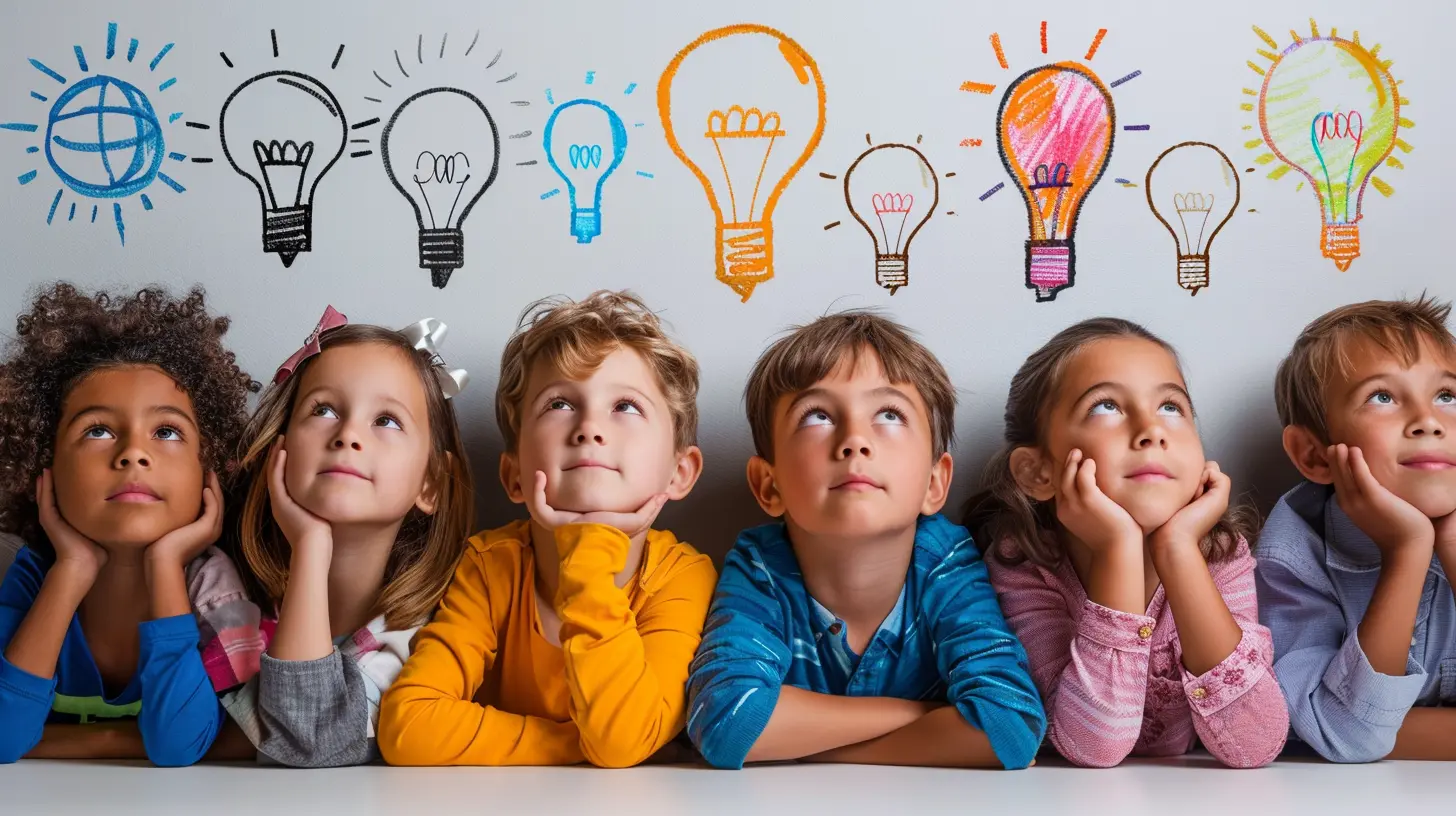
Strategies to Develop Critical Thinking in a Multicultural Classroom
1. Encourage Open-Minded Discussions
A multicultural classroom is an opportunity to expose students to different viewpoints. Teachers should create a safe space where students feel comfortable questioning ideas, even if they disagree.- Use Socratic questioning: Ask open-ended questions like, "Why do you think that?" or "What evidence supports your perspective?"
- Encourage students to support their opinions with reasoning and facts rather than emotions.
2. Introduce Culturally Diverse Literature and Case Studies
Why limit learning to a single perspective when the world is full of diverse ideas? Incorporate books, articles, and case studies from different cultures. This exposes students to various ways of thinking and living.For example, imagine discussing democracy. Instead of just focusing on Western ideals, compare it with how governance works in indigenous communities or Eastern cultures. It challenges students to analyze different political systems critically.
3. Use Thought-Provoking Activities
Lectures alone won’t cut it. Engage students in activities that make them think and question. Here are a few ideas:- Debates: Assign students different cultural perspectives on a topic and have them defend their stance.
- Role-Playing: Let students step into someone else’s shoes by acting out historical or current events.
- Case Studies: Present real-world dilemmas with multiple solutions based on cultural differences.
4. Teach Students to Recognize Biases
Understanding biases is a game-changer in critical thinking. Many students don’t even realize when they’re being influenced by stereotypes or personal beliefs.A fun way to introduce this is through optical illusions or brain teasers that demonstrate how perception can change based on different interpretations. Once students grasp this concept, they’ll be more aware of how bias affects reasoning.
5. Encourage Self-Reflection and Journaling
Self-reflection is like holding up a mirror to your thoughts. Encourage students to keep journals where they:- Reflect on classroom discussions.
- Write about how their opinions have changed over time.
- Analyze new perspectives they’ve encountered.
By actively reflecting on what they learn, students develop deeper awareness and stronger analytical skills.
6. Incorporate Collaborative Learning
When students from different backgrounds work together, magic happens. Group projects, peer reviews, and problem-solving tasks force students to engage with different perspectives.For instance, if a group is tackling global warming, let each student present solutions based on their cultural background. The result? A richer, more well-rounded discussion.
7. Use Technology for Global Learning
Why limit discussions to the classroom when the internet connects us to the world?- Use virtual exchange programs where students collaborate with peers from different countries.
- Encourage discussions on global forums to see how others approach a topic.
- Assign projects that require students to research and present international viewpoints.
This approach exposes students to real-world multicultural perspectives, making critical thinking even more relevant.

Why Critical Thinking Matters More Than Ever
In today’s world, misinformation spreads like wildfire. Without critical thinking, students risk accepting things at face value. Whether they’re analyzing the news, making career decisions, or navigating social issues, these skills are indispensable.More importantly, we live in an interconnected world. The ability to understand different cultures, challenge biases, and think critically can turn students into global citizens—people who don’t just accept the world as it is but strive to make it better.

Final Thoughts
Developing critical thinking in a multicultural classroom isn’t just about education—it’s about empowering students to think independently, challenge norms, and embrace diversity. Sure, there are challenges, but the rewards far outweigh them. When students learn to question, analyze, and empathize with different perspectives, they don’t just become better learners; they become better people.So, the next time you’re in a multicultural classroom, look around. What stories, perspectives, and wisdom are waiting to be uncovered? All it takes is a little curiosity, an open mind, and the courage to ask, “What if there’s another way to see this?
all images in this post were generated using AI tools
Category:
Critical ThinkingAuthor:

Madeleine Newton
Discussion
rate this article
2 comments
Rina McNulty
Developing critical thinking in a multicultural classroom is essential for fostering inclusive dialogue and diverse perspectives. Educators should employ culturally relevant teaching strategies that encourage students to analyze, evaluate, and synthesize information while respecting differing viewpoints, ultimately preparing them for a globalized society.
April 1, 2026 at 4:48 AM
Madeleine Newton
Thank you for highlighting the importance of culturally relevant teaching strategies! Fostering critical thinking in a multicultural setting not only enriches classroom dialogue but also equips students with the necessary skills to thrive in a diverse global society.
Laura McNeil
This article highlights the importance of fostering critical thinking in multicultural classrooms. By embracing diverse perspectives, educators can enhance students' analytical skills and promote inclusivity. It's essential for preparing them to navigate a complex, globalized world effectively. Great insights here!
March 29, 2026 at 4:36 AM
Madeleine Newton
Thank you for your thoughtful comment! I'm glad you found the insights on fostering critical thinking and inclusivity in multicultural classrooms valuable.