Collaborative Learning: The Key to Group Work Success
20 February 2026
Let’s face it—group work can be a wild ride. Sometimes it flows like a dream, and other times it feels like trying to herd cats. But here’s the thing: when done right, working together can lead to breakthroughs we’d never reach on our own. That’s where collaborative learning steps in. It’s not just about splitting tasks—it's about sharing ideas, building connections, and growing together. So, if you’ve ever wondered why some group projects crash and burn while others skyrocket, this article is your backstage pass to the secret sauce of teamwork success.
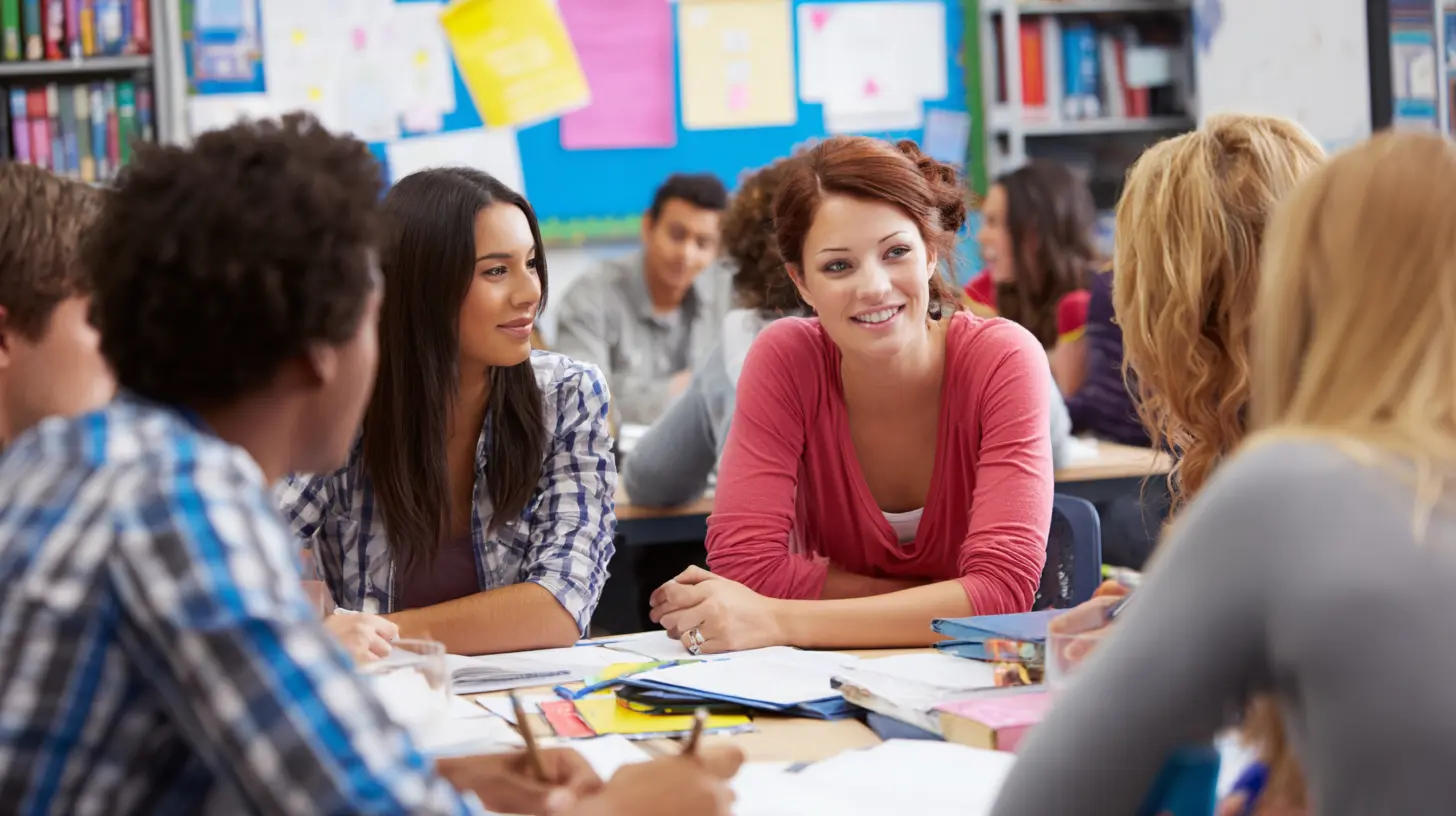
What is Collaborative Learning Anyway?
At its core, collaborative learning is a teaching and learning strategy where students work together to explore a problem, complete a task, or create a project. It flips the traditional lecture model on its head. Instead of being passive listeners, students become active participants. They're not just absorbing information—they're discussing, challenging, questioning, and reshaping it with their peers.Think of it like cooking a meal with friends. Everyone brings their own ingredients, skills, and tastes. When you mix them all together, you don’t just end up with dinner—you get a feast that's richer than anything one person could whip up alone.
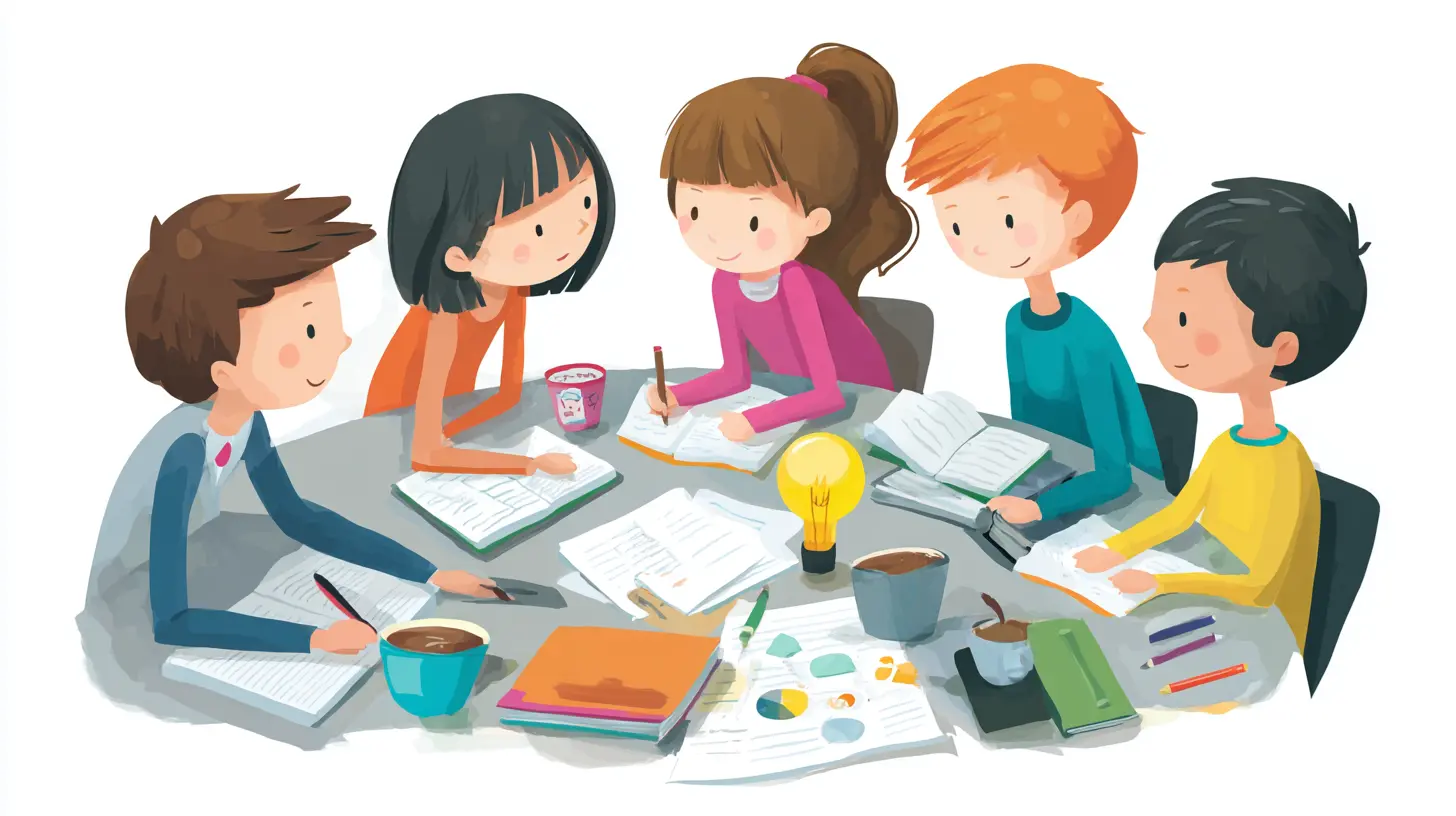
Why Collaborative Learning Beats Solo Studying
So, what makes collaborative learning such a game-changer? For starters, it’s not just about academic performance. It builds a whole range of soft skills that are gold in the real world—communication, teamwork, problem-solving, and empathy.Let’s dig into the benefits:
1. Better Understanding and Retention
Ever tried explaining something to a friend and found it helped you understand it better too? That’s the power of teaching others. In collaborative learning, students often take on the role of peer instructors, reinforcing their own understanding while helping others.2. Exposure to Diverse Perspectives
We all see the world through our own lens, shaped by our background and experiences. Group learning pulls together a mix of views, challenging assumptions and broadening horizons. And let's be real—sometimes someone else's light bulb moment flips the switch for you too.3. Improved Critical Thinking Skills
When students bounce ideas off each other, they’re not just memorizing—they're actively engaging with content. They evaluate arguments, defend their viewpoints, and consider alternatives. Instead of blindly accepting facts, they learn to think.4. Builds Social and Emotional Skills
Let’s not underestimate how key social interactions are to learning. Collaborative environments offer students a chance to build trust, resolve conflicts, give and receive feedback—all crucial life skills that don’t come from textbooks.5. Prepares Students for Real-World Work Environments
Spoiler alert: most jobs require teamwork. Employers love candidates who can collaborate, adapt, and communicate effectively. Group learning simulates these dynamics in a safe, supportive space.
Elements That Make Collaborative Learning Work
Okay, so we know collaborative learning is awesome. But like any recipe, it needs the right ingredients. Without structure and guidance, group learning can go off the rails. Here's what makes it tick:1. Clear Goals
Everyone on the team should know what success looks like. Whether it’s presenting a project, writing a paper, or tackling a case study, clarity is crucial. Ambiguity breeds frustration and confusion.2. Defined Roles
Assigning roles can prevent the classic “too many cooks in the kitchen” scenario. Maybe one person manages time, another takes notes, someone else leads the discussion. Roles help balance participation and keep things moving.3. Open Communication
This one’s huge. Students should feel safe sharing ideas, asking questions, and giving feedback. It's not about who’s the loudest; it's about creating a space where everyone’s voice matters.4. Accountability
Let’s be honest—there’s always that one person in a group project who ghosts. Setting expectations and checking in regularly helps keep everyone on track and equally invested.5. Reflective Practice
After the project, take time to reflect. What worked? What didn’t? What could be improved? Reflection turns experience into learning.
Collaborative Learning in Action: Real-World Examples
You don’t need to be in a fancy seminar room to collaborate. Whether you’re in a college classroom, a high school group, or even working remotely, collaborative learning can thrive in many forms.Think-Pair-Share
This strategy asks students to think individually about a question, discuss it with a partner, and then share insights with the larger group. Simple? Yes. Powerful? Absolutely.Jigsaw Method
Like a puzzle, each student works on one piece of the topic and teaches it to the others. Everyone becomes an expert in their slice and relies on teammates to complete the bigger picture.Group Projects and Case Studies
These classic formats challenge students to apply their knowledge in a practical, often hands-on way. It’s less about right answers, more about reasoning, creativity, and collaboration.Online Discussion Forums
In today’s hybrid learning world, forums and video calls allow for collaborative learning even when students aren't physically together. Digital tools like Padlet, Google Docs, and Zoom breakout rooms bridge the gap.The Psychology Behind Collaborative Learning
Now, we’ve talked about the "how" and the "what," but let’s dig into the "why." Why does collaborative learning work so well?Humans are social creatures. Our brains are wired for connection. When we learn in groups, certain psychological triggers kick in:
- Social Interdependence: We want to contribute because others are counting on us.
- Cognitive Elaboration: Explaining ideas to someone else forces us to organize and deepen our own understanding.
- Motivation Boost: Working with motivated peers pushes us to do better. There’s a little friendly competition at play.
- Constructive Conflict: When disagreements happen (in good faith), they challenge us to reevaluate and refine our arguments.
All of this creates a rich, dynamic environment that supports deeper learning.
Tips for Making Collaborative Learning Thrive
Worried your group might spend more time chatting than learning? You're not alone. Here are some simple ways to set your team up for success:1. Set Ground Rules
Agree on things like being respectful, staying on topic, and showing up prepared. A little structure early on saves headaches later.2. Use Collaboration Tools
Tech is your friend here. Tools like Trello, Slack, and Google Suite keep communication clear and organized.3. Encourage Inclusivity
Make space for quieter voices. Some folks contribute best through writing, others by speaking. Different styles are valuable.4. Foster a Growth Mindset
Mistakes are part of learning. Encourage team members to take risks and see challenges as opportunities, not failures.5. Celebrate Small Wins
Finished your outline? Nailed your presentation? Celebrate it! Recognizing progress keeps morale high and momentum going.Common Pitfalls (And How to Avoid Them)
Even the best teams hit snags. Recognizing common pitfalls helps you dodge them before they become full-blown problems.1. Unequal Participation
Solution: Rotate roles and keep track of contributions. Make sure every voice is heard.2. Poor Time Management
Solution: Set deadlines for each step. Don’t wait until the last minute to scramble.3. Lack of Direction
Solution: Clarify goals early and revisit them regularly.4. Conflict and Miscommunication
Solution: Address issues early. Clear, respectful communication is key.
The Future of Collaborative Learning
With education evolving faster than ever (hello, AI tutors and virtual classrooms), collaborative learning isn’t going anywhere. In fact, it’s more important now than ever.As the world becomes more connected, collaboration across cultures, time zones, and disciplines is becoming the norm. The skills students build through group learning—adaptability, empathy, strategic thinking—are the exact skills they’ll need in tomorrow’s world.
Wrapping It Up
Collaborative learning isn’t just a trend—it’s a powerful, proven approach that transforms group work from a dreaded task into a dynamic, enriching experience. It brings together the best of what each person has to offer and creates a learning journey that’s deeper, richer, and honestly a lot more fun.So next time you’re in a group project, don’t just try to “get it over with.” Lean in, connect, and see what magic happens when minds come together.
all images in this post were generated using AI tools
Category:
Student SuccessAuthor:

Madeleine Newton
Discussion
rate this article
2 comments
Ella Johnson
Effective collaboration transforms group work into meaningful learning experiences.
February 23, 2026 at 5:16 AM
Madeleine Newton
Thank you! I completely agree—effective collaboration indeed enhances the learning experience by fostering deeper engagement and understanding among group members.
Zora Perry
Collaborative learning fosters communication, critical thinking, and teamwork skills, essential for success in group work and real-world problem-solving.
February 20, 2026 at 12:43 PM
Madeleine Newton
Thank you for your insights! I completely agree—collaborative learning truly enhances essential skills that are vital in both academic and real-world settings.