Classroom Management for Diverse Learning Styles
12 May 2026
Imagine standing in front of a classroom filled with twenty-five unique minds—each thinking, feeling, learning in a rhythm all their own. One student might be sketching in the margins to stay focused, another bouncing their leg under the desk to keep calm. Some may crave hands-on activities, while others relish the quiet hum of solo reading. Welcome to the beautiful chaos of modern education.
Classroom management, in its deepest essence, isn’t just about maintaining order. It's about creating harmony in a symphony of differences. And in today’s diverse educational landscape, understanding and embracing different learning styles isn’t a luxury—it’s a necessity.
So, grab a cup of coffee (or tea if that’s your thing), settle in, and let’s walk through how to manage a classroom where every student learns a little differently and how that diversity can be your greatest strength—not your biggest challenge.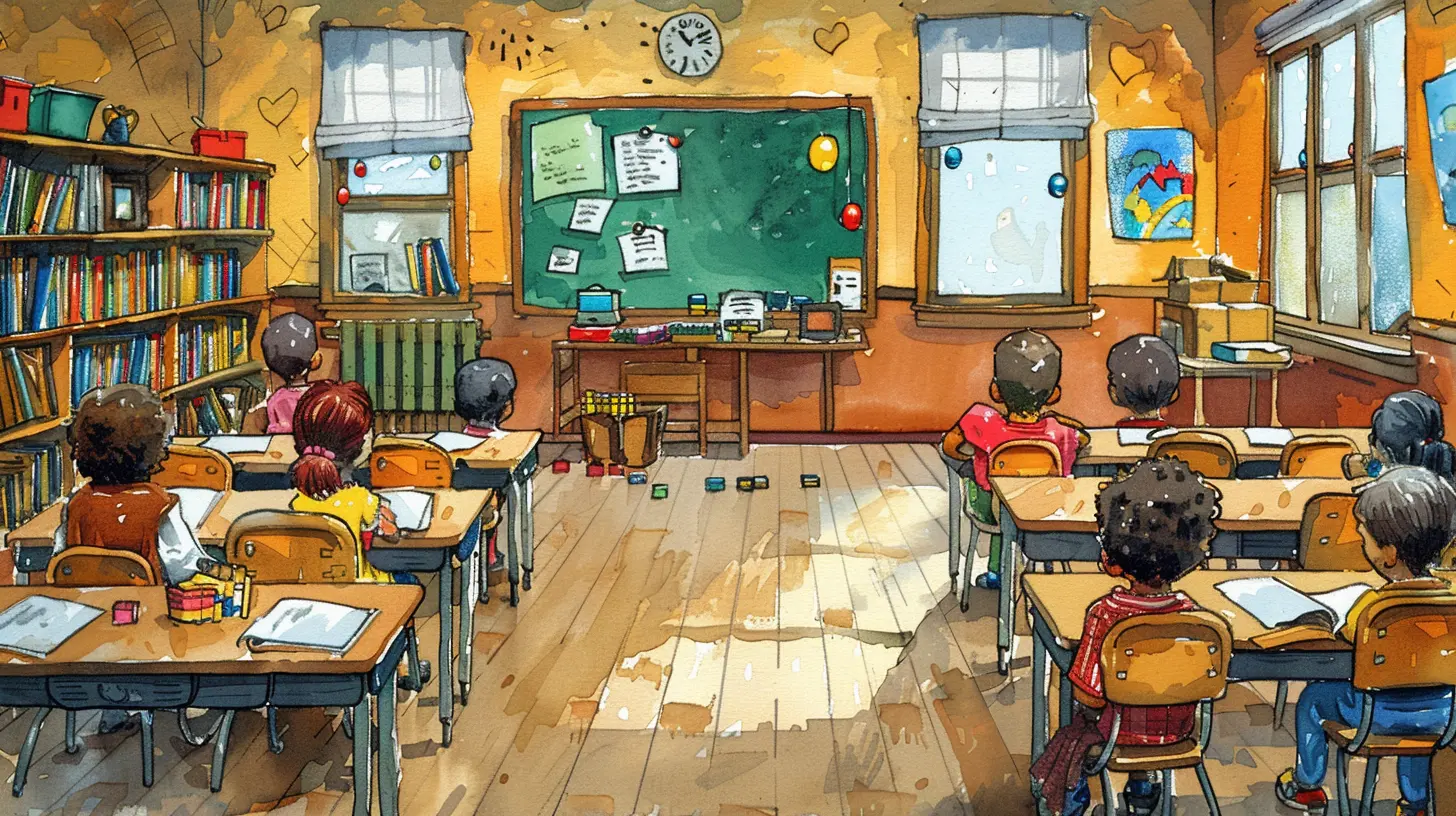
What Are Learning Styles Anyway?
Before we jump into strategies, let’s get on the same page.Learning styles refer to the different ways people process information. You’ve probably heard the big three: visual, auditory, and kinesthetic. But there’s more—some students are logical thinkers, others are social butterflies who thrive on group discussions, and then there are the solitary learners, who do their best thinking in silence.
Let’s break it down a little more. Here’s a quick peek at some common learning styles:
- Visual Learners: Love charts, graphs, and colors. Show them a diagram, and it sticks.
- Auditory Learners: Pick up everything from lectures, podcasts, or even rhymes.
- Kinesthetic Learners: Need to move, touch, and do. Give them hands-on tasks.
- Linguistic Learners: Thrive on words—reading, writing, or storytelling.
- Logical/Mathematical Learners: Love patterns, logic, and structured problem-solving.
- Social (Interpersonal) Learners: Learn best when working in groups.
- Solitary (Intrapersonal) Learners: Prefer working alone, often self-reflective.
Now that we’ve met the players, the question is—how do we lead them?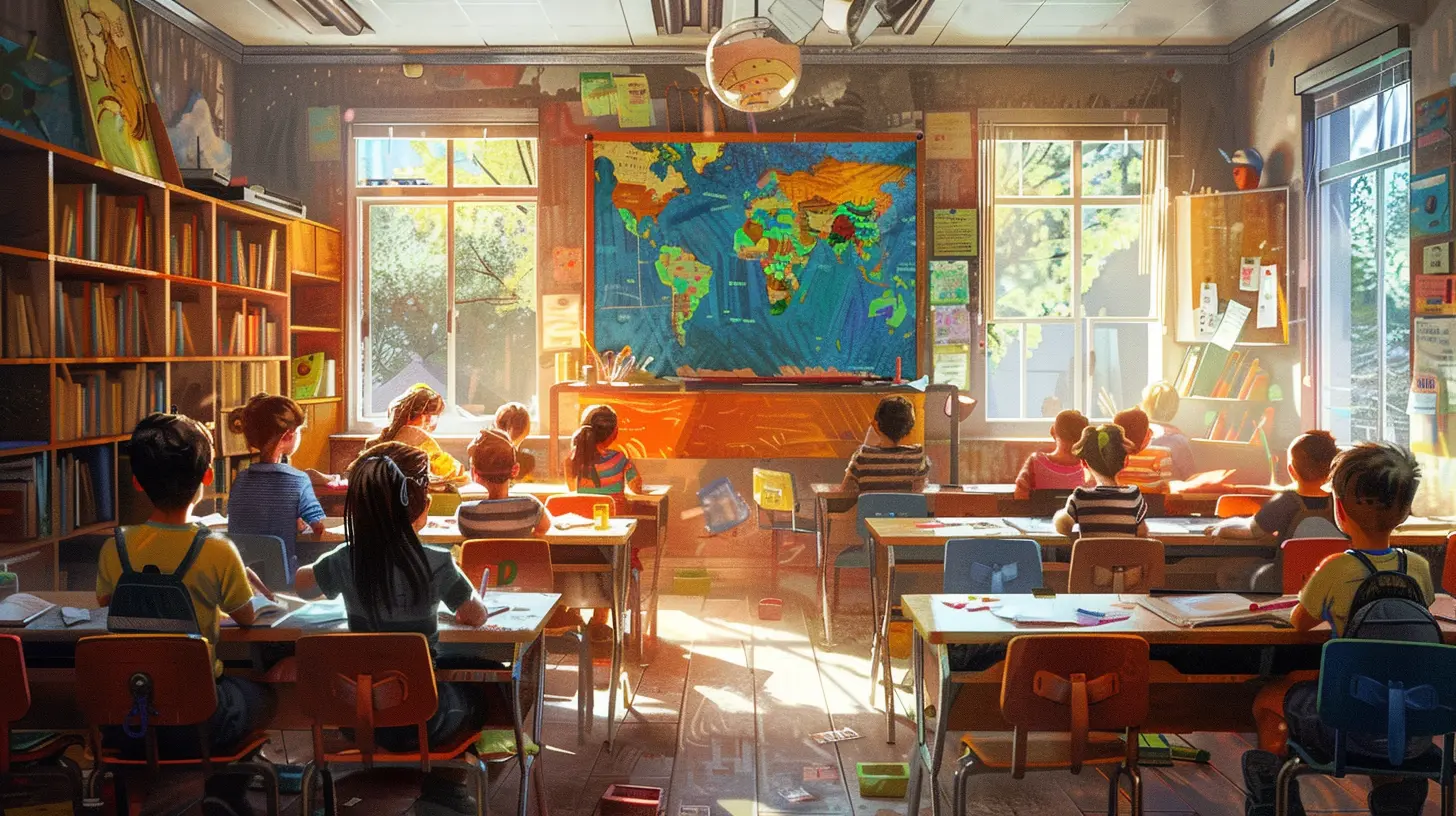
The Myth of the "One-Size-Fits-All" Classroom
Picture this: A classroom where every student sits quietly, facing the board, absorbing the same material in the same way. Sounds neat, right? But let’s be real—it’s a fantasy. Kids aren't cut from the same cloth, and teaching them like they are? That’s like trying to paint a rainbow using only black and white.One method doesn’t work for all. What motivates a visual learner might bore a kinesthetic one to tears. The trick? Flexibility. You don't need to become seven teachers in one, but you do need to tweak your approach so every student feels seen and supported.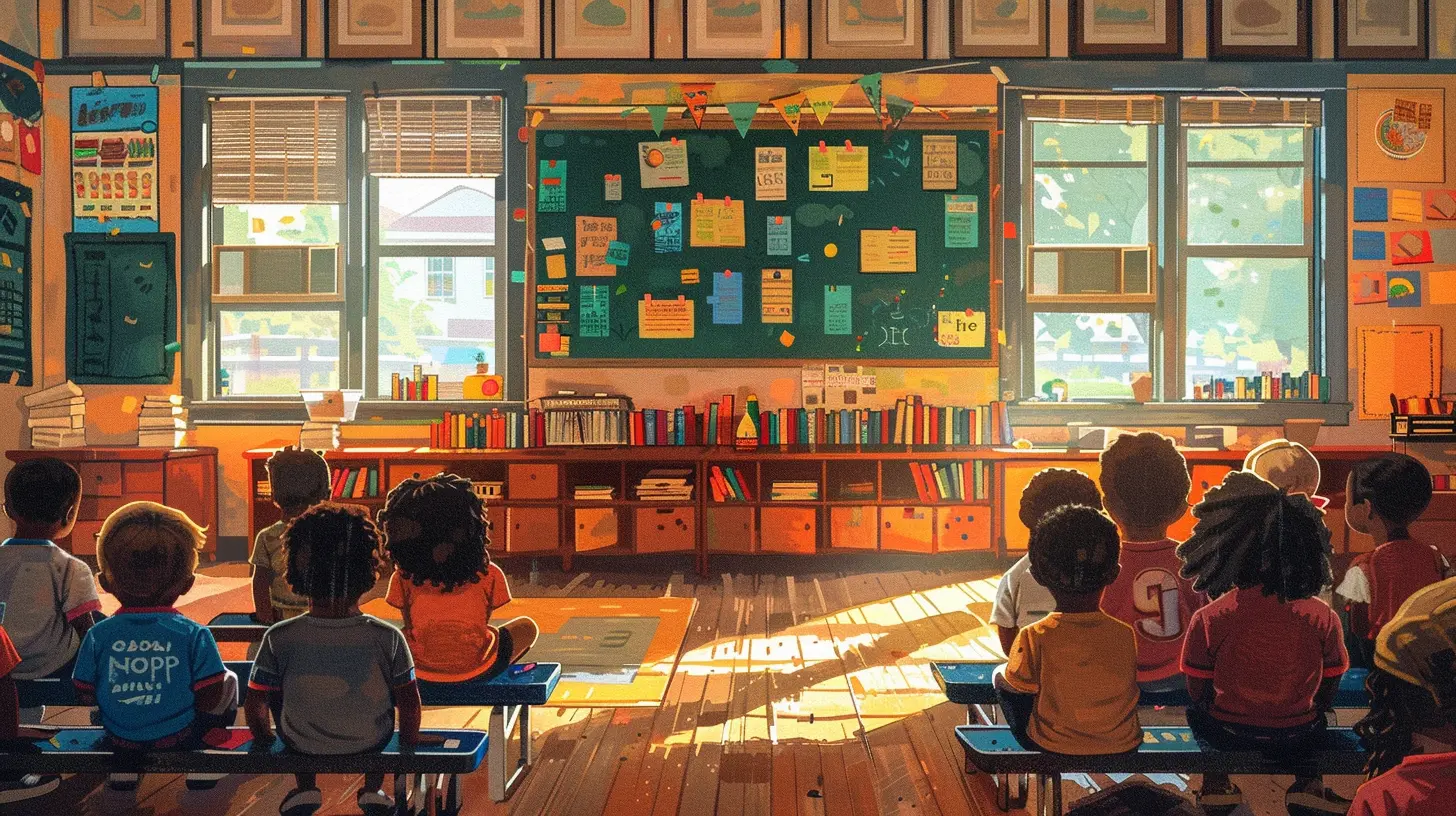
Strategies for Managing a Classroom Full of Unique Minds
1. Build a Culture of Respect and Curiosity
The foundation of effective classroom management—especially in diverse learning environments—is respect. Students need to feel that their way of learning isn’t just accepted, it’s valued.Create a classroom culture where differences are celebrated. That starts with conversations. Ask students how they like to learn. Let them teach each other their methods. Suddenly, it’s not you against a room full of chaos, it’s a team exploring knowledge together.
? Pro Tip: Use a "Learning Style Survey" at the beginning of the year. It’s a great icebreaker and a powerful tool to tailor your teaching.
2. Mix Up Your Teaching Methods
Lectures are great—for auditory learners. Visual learners? They’re doodling their way through. Kinesthetic learners? Mentally planning their jailbreak.Use a combination of:
- Visuals: Use infographics, color-coded notes, videos.
- Sounds: Incorporate music, reading aloud, discussions.
- Movement: Include role-plays, experiments, station work.
- Collaborative Tasks: Group projects, peer teaching.
- Individual Time: Journaling, reflection exercises.
Think of it like a balanced meal. Not everyone loves spinach, but with the right recipe, it becomes a hit.
3. Create Flexible Learning Spaces
Rows of desks facing forward? That’s old school. Try creating zones in your classroom:- A quiet nook with comfy seating and headphones.
- A standing station for those who like to move.
- A collaboration corner for group work.
- A creative zone with art supplies, puzzles, and manipulatives.
Yes, it takes some rearranging. But once you see a fidgety student thrive just because they can stand while working? Totally worth it.
4. Offer Choice in Assignments
Why not let students choose how they demonstrate understanding?Instead of a one-size-fits-all assignment, give options:
- Write an essay
- Make a poster
- Perform a skit
- Record a podcast
- Build a model
Same learning goal, but students pick the path. That kind of autonomy boosts motivation and behavior—big win for classroom management.
5. Use Clear, Visual Instructions
Ever explain something five times and students still look at you like you’re speaking ancient Greek? Happens to the best of us.Try using visual step-by-step instructions. Use icons, flowcharts, even pictures. Post them on the board or hand them out. It helps students process tasks at their own pace—especially visual and logical learners.
Bonus? Fewer hands raised with "Wait, what are we doing again?"
6. Anchor Routines, Embrace Flexibility
Routines create safety. Kids (and adults!) thrive on knowing what to expect. But in a classroom of diverse learners, rigidity can backfire.Stick to consistent routines but allow flexibility in how students engage. Maybe some students read silently during morning work while others listen to audiobooks. You’re still hitting your learning goals—just not marching everyone in the same boots.
7. Use Technology to Differentiate
Technology is a goldmine for personalized learning—if used wisely.Apps like:
- Kahoot! for gamified quizzes (great for competitive or social learners)
- Flipgrid for video responses (ideal for expressive or verbal learners)
- Google Classroom for organizing resources
- Nearpod to create interactive lessons
Let students explore topics at their own pace, in their own style. Just keep an eye to make sure the tech is supporting learning—not becoming a distraction.
What About Behavior Management?
Ah yes, the million-dollar question: How do you keep control of such a diverse, buzzing energy?Here’s the truth—when students are engaged and learning in a way that feels natural to them, behavior issues often decrease.
1. Understand the Root
Before labeling a student as “difficult,” ask: Is this a behavior issue—or a learning style mismatch?That student who won’t sit still? Maybe they need more movement.
The one who keeps interrupting? Maybe they process out loud.
The one who shuts down? Perhaps they’re overwhelmed by auditory clutter.
Behavior is communication. Listen before reacting.
2. Set Clear, Inclusive Expectations
Your rules should support all learning styles. Instead of "Sit quietly," try "Find a work zone where you can focus." Give students multiple paths to success, not just one narrow lane.Use visuals, model behaviors, and practice routines until they’re second nature.
3. Reinforce the Positive
Highlight students who are thriving by using their strengths.“Hey Miguel, I love how you explained that concept through drawing. That helped everyone understand!”
Validation fuels motivation. And motivation? It’s the engine of a well-managed classroom.
Bridging the Gaps: Collaboration With Parents and Colleagues
No educator is an island. Talk to parents—often they’ll give you clues about what makes their child tick. Partner with support staff, school counselors, or co-teachers to brainstorm strategies.And yes, collaborate with your fellow educators. What worked for them might work for you.
Final Thoughts: From Chaos to Choreography
Managing a classroom full of diverse learners isn’t about being perfect—it’s about being responsive. It’s not about controlling every moment—it’s about guiding the rhythm, like a conductor guiding an orchestra.When we honor the way each student learns, we turn the classroom from a battlefield into a community. A place where curiosity blooms, where strengths shine, and where every learner—regardless of style—feels like they belong.
So next time your class feels a little chaotic, take a breath. Look around. See the beauty in that diversity. And remind yourself—you’re not just managing a classroom.
You’re shaping a masterpiece.
all images in this post were generated using AI tools
Category:
Classroom ManagementAuthor:

Madeleine Newton
Discussion
rate this article
2 comments
Elowen Bryant
Embracing diverse learning styles enriches our classrooms. It fosters creativity and understanding, empowering every student to thrive and reach their full potential... Let's celebrate differences!
June 16, 2026 at 10:58 AM
Madeleine Newton
Absolutely! Celebrating diverse learning styles not only enhances creativity but also creates a more inclusive environment where every student can succeed.
Diesel Underwood
This article sparks my curiosity about how different teaching strategies can shape student engagement. I'm eager to learn how to adapt my approach to meet various learning styles and create a more inclusive classroom environment.
May 13, 2026 at 11:49 AM
Madeleine Newton
I'm glad the article resonated with you! Adapting your strategies can really enhance engagement and inclusivity. Exploring different methods will definitely make a difference in your classroom.