Best Practices for Introducing Peer Feedback in Early Education
8 April 2026
Peer feedback is a powerful way to encourage young learners to develop communication, critical thinking, and social skills. But, let's be real—introducing peer feedback in early education can feel like herding cats if you don’t have the right approach. Kids may struggle with giving constructive criticism or even understanding why feedback is important.
So, how do we make this process smooth, effective, and maybe even fun? Let’s break it down step by step.

Why Peer Feedback Matters in Early Education
Before we jump into best practices, let’s talk about why peer feedback is such a game-changer for young kids.1. Boosts Confidence – When kids learn to give and receive feedback, they become more confident in their own work and ideas.
2. Encourages Active Listening – Peer feedback teaches children to listen carefully to others instead of just waiting for their turn to talk.
3. Develops Social Skills – Learning how to give and receive constructive criticism in a kind way strengthens social interactions.
4. Promotes Self-Reflection – Kids start to think about their own work critically, leading to better learning outcomes.
Now, let’s roll up our sleeves and get into the best practices for making peer feedback work in early education.

1. Start with a Positive Mindset
Kids learn best when they feel safe and encouraged. When introducing peer feedback, set a positive tone right from the start.- Explain that feedback isn't about pointing out mistakes but helping each other grow.
- Use simple language like, “We’re here to help each other be our best!”
- Model the idea of feedback by showing examples of good and bad ways to share opinions.
If kids see feedback as a way to support rather than criticize, they’ll be much more open to the process.

2. Teach What Constructive Feedback Looks Like
Most young children don’t naturally know how to give helpful feedback. Without guidance, they might say things like, “That’s bad” or “I don’t like it”, which isn’t very useful.To guide them:
- Teach the "Sandwich Method"—compliment, suggestion, compliment.
- Use sentence starters like:
- “I really liked how you…”
- “Maybe next time you could…”
- “One thing that worked well was…”
By giving kids a simple structure, they’ll feel more comfortable sharing their thoughts.
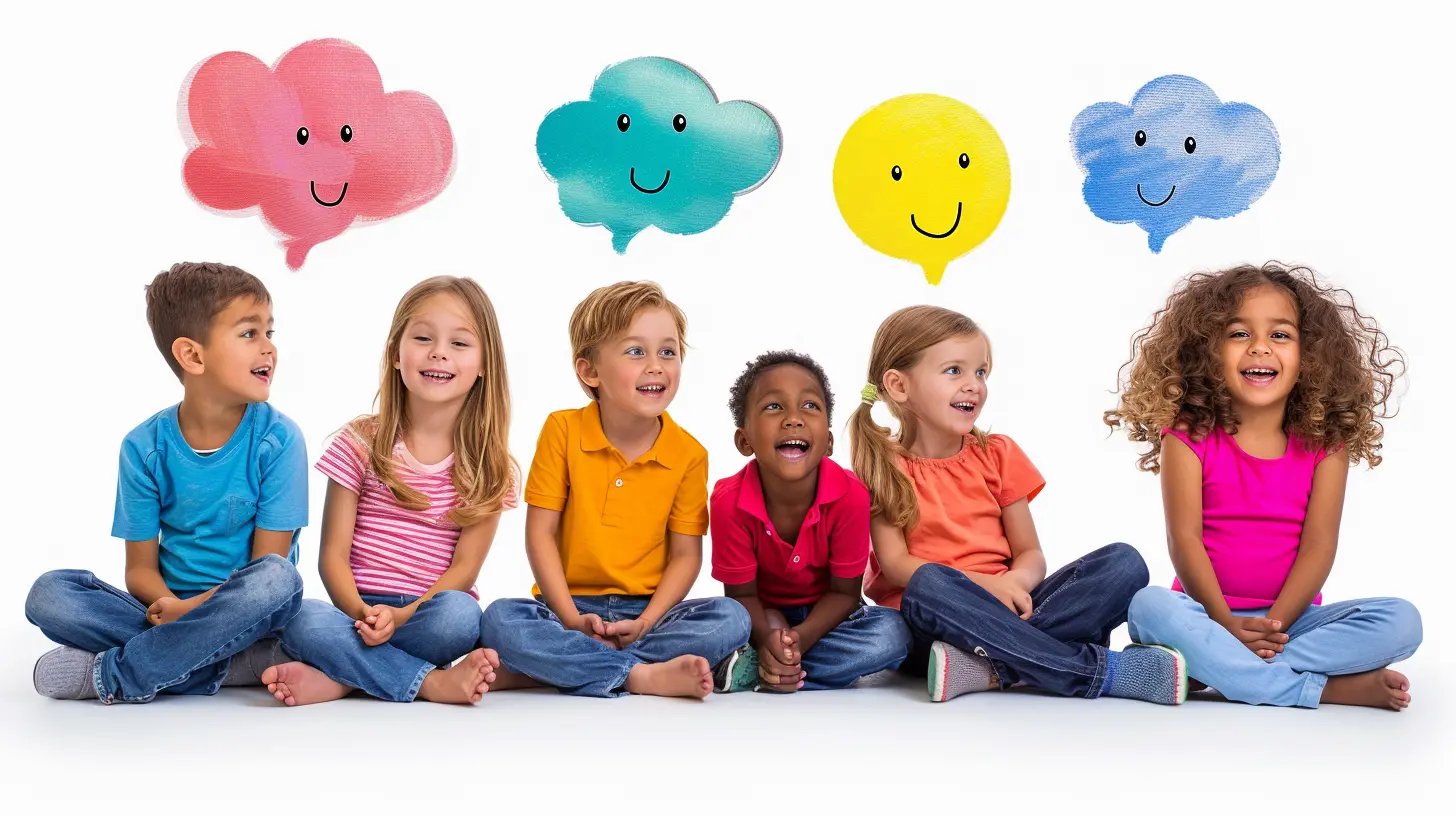
3. Use Peer Feedback Games or Activities
If you make feedback fun, kids will be more likely to engage. Try some of these activities:Two Stars and a Wish
Each child gives two positive comments (stars) and one suggestion for improvement (wish). This keeps the feedback balanced and uplifting.Feedback Buddies
Pair up students and have them give each other feedback on their work. Rotate partners to encourage different perspectives.Gallery Walk
Have students walk around the room and leave sticky note feedback on others' work. This makes the process interactive and exciting.These activities make feedback feel more like a game than a chore!
4. Model Peer Feedback Regularly
Kids learn best by watching. If they see you modeling effective feedback, they’ll be more likely to follow.For example:
- Give feedback on a drawing or a story as a class.
- Ask students to help you improve something.
- Role-play different types of feedback—both good and bad—so kids see the difference.
The more they see it in action, the more natural it will feel.
5. Create a Safe and Supportive Environment
Giving and receiving feedback can be nerve-wracking, even for adults. Imagine how it feels for a 5-year-old!Make sure your classroom is a judgment-free zone:
- Reinforce kindness—feedback should be helpful, not hurtful.
- Encourage effort and progress rather than just results.
- Celebrate improvements so kids see that feedback helps them grow.
When kids feel safe, they're more willing to take risks and learn from each other.
6. Keep It Short and Sweet
Attention spans in early education? Shorter than a goldfish’s memory.If feedback sessions drag on, kids will tune out. Instead:
- Keep feedback sessions brief (5–10 minutes max).
- Focus on one aspect at a time (e.g., neat handwriting, color choice, story ideas).
- Use visuals, such as smiley faces or stickers, to reinforce feedback.
Making feedback bite-sized ensures kids stay engaged without feeling overwhelmed.
7. Encourage Self-Reflection
Once kids start getting feedback, help them reflect on it.Ask questions like:
- “What did your partner say you did well?”
- “What’s one thing you want to improve next time?”
- “How did it feel to get feedback?”
By thinking about feedback, kids internalize it and become better learners.
8. Balance Positive and Constructive Feedback
Imagine if all feedback was just, “Good job!”—it wouldn’t be very useful. But, on the flip side, too much criticism can crush confidence.Balance is key. Encourage students to give at least one positive comment for every suggestion.
A simple rule? "Say something nice before you suggest something better."
This way, kids build each other up instead of tearing each other down.
9. Use Visuals to Guide Feedback
Young learners respond well to visuals. Consider using feedback cards, posters, or even emojis to help them structure their responses.For example:
- A thumbs-up icon for things they liked.
- A lightbulb icon for ideas to improve.
- A heart icon to remind them to be kind.
Visual aids make feedback more engaging and accessible for developing minds.
10. Make It Part of the Daily Routine
Peer feedback shouldn’t be a once-a-month thing. The more kids practice it, the better they’ll get.Try:
- Morning Meetings – Start the day with a positive feedback circle.
- Feedback Fridays – Dedicate a special time for peer reviews.
- Exit Tickets – Have kids give one piece of feedback before leaving.
By making it a habit, kids normalize feedback as part of learning.
Wrapping It Up
Introducing peer feedback in early education takes patience, but when done right, it becomes a powerful tool for growth.By creating a safe space, modeling constructive feedback, and making it interactive, kids will see feedback not as criticism, but as an opportunity to improve.
And remember—if you make it fun and engaging, students will buy in. Who knows? They might even start looking forward to it!
all images in this post were generated using AI tools
Category:
Peer FeedbackAuthor:

Madeleine Newton
Discussion
rate this article
2 comments
Roxie Howard
In the tender garden of young minds, Where voices bloom and thoughts unwind, Peer feedback, a gentle breeze, Nurtures growth with heartfelt ease. In shared reflections, wisdom flows, Fostering joy as each one grows. Let children learn from one another, In this dance, they find their wonder.
April 11, 2026 at 4:15 AM
Madeleine Newton
Thank you for beautifully capturing the essence of peer feedback! Your poem highlights how fostering a collaborative environment nurtures young minds and promotes shared learning.
Echo McMaster
In the garden of young minds, where voices bloom and insights intertwine, peer feedback dances like sunlight, nurturing growth, fostering trust. Let each child’s voice resound, as gentle echoes of support abound, cultivating kindness, sparking reflection, a tapestry of learning, woven connection.
April 9, 2026 at 3:43 AM