Best Apps to Enhance Your Language Learning Experience
18 July 2026
Learning a new language can feel like climbing a mountain, right? It’s tough, sometimes overwhelming, and it takes time. But guess what? You don’t have to go at it alone! Thanks to smartphones and clever developers, there are tons of language learning apps that can make the journey not just smoother—but actually fun. Whether you're hoping to travel, boost your career, or just challenge your brain, there's an app out there with your name on it.
In this post, we’re going to break down some of the best apps to enhance your language learning experience. We’ll go beyond the big names (though we’ll talk about those too!) and look at what makes each app worth your time. Ready? Let’s dive in.
Why Use Apps for Language Learning?
Before we get into the best apps, let’s chat about why apps are such a game-changer for language learners.1. Handy and Portable
Your phone is always with you, right? Whether you're commuting, waiting in line, or lying in bed—language apps travel with you. No need to lug around textbooks.2. Bite-Sized Lessons
Most apps are designed with quick, digestible lessons. You only need a few minutes a day to make real progress. Short doesn’t mean shallow—it means efficient.3. Personalized Learning
AI and algorithms might sound spooky, but in the world of language learning, they’re actually your best friends. Apps track your progress and adjust the lessons to suit your pace. It’s like having a personal language coach in your pocket.
Best Apps to Enhance Your Language Learning Experience
Ready to boost your skills and expand your vocabulary? Here's our shortlist of must-try apps, no matter what your native language or target language is.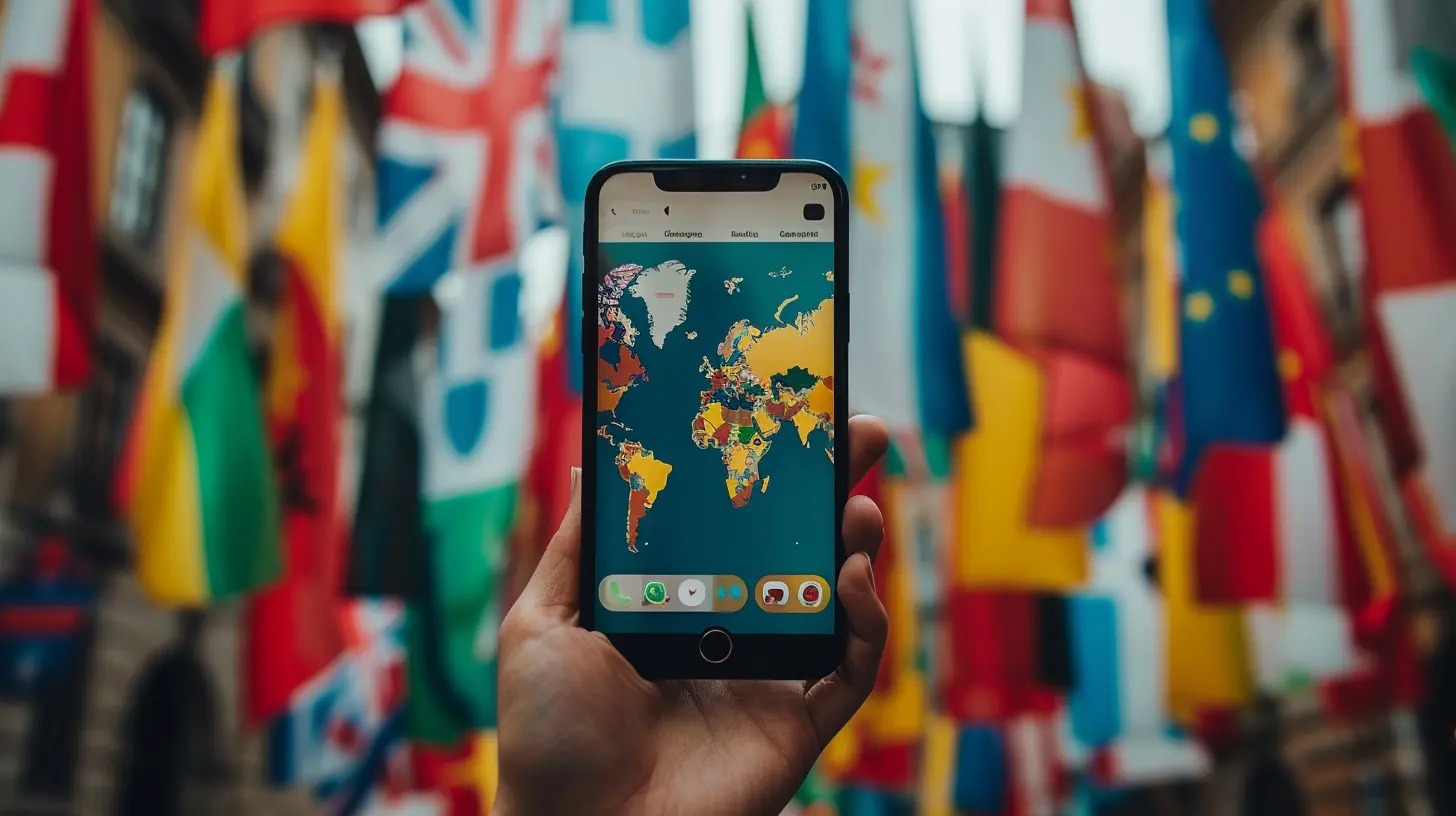
1. Duolingo — The OG for a Reason
Let’s face it—Duolingo is hard to ignore. With its game-like format, streak system, and owl mascot (yes, Duo is kind of a legend), this app has millions of loyal users.What Makes It Great?
- Friendly and fun interface- Covers a wide range of languages: from Spanish and French to Navajo and Klingon (yep, seriously!)
- Daily reminders to practice—perfect for creating a habit
- Listening, speaking, reading, and writing exercises
Best For:
Complete beginners to intermediate learners looking for a gamified experience.
2. Babbel — For Real-World Conversations
If you're someone who doesn’t just want to memorize words but actually use them in conversation, Babbel might be more your vibe.Highlights:
- Focus on conversation skills, not just vocabulary- Lessons designed by language experts
- Excellent grammar tips
- Offline access for learning on the go
Best For:
Learners who want structured lessons and real-life dialogue skills.3. Memrise — Learn Like a Local
Memrise goes beyond textbooks by using video clips of native speakers. You get exposed to real accents, real slang, and real culture.Standout Features:
- Uses spaced repetition to improve long-term retention- Tons of user-generated content
- Great for learning phrases and idioms
- Localized video lessons = authentic learning
Best For:
Visual learners who want to pick up natural conversational skills with cultural context.4. Busuu — Bite-Size and Personalized
Imagine a social media platform where everyone wants to help you learn a language. That’s kind of what Busuu feels like.What You’ll Love:
- AI-powered review sessions- Grammar-focused lessons
- Native speakers correct your writing
- Study plans tailored to your goals
Best For:
Goal-oriented learners who want personalized feedback from native speakers.5. Tandem — Language Exchange with Real People
Tandem is like a dating app... but for language learning. You get matched with native speakers who want to speak your native language. So both of you benefit!Key Perks:
- Real-time chat, voice, and video calls- Built-in translation/grammar tools
- Choose partners based on shared interests
- Free to use with optional upgrades
Best For:
Intermediate to advanced learners ready to practice with real humans.6. HelloTalk — Text, Talk, and Trade Languages
Similar to Tandem, but with a more global community feel. HelloTalk lets you connect with native speakers easily and casually.Cool Features:
- Integrated tools: translation, pronunciation, correction- Group chats and language moments
- Learn multiple languages at once
- Built-in social networking
Best For:
Learners who want immersive social interaction and cultural exchange.7. Clozemaster — Leveling Up From Intermediate
Clozemaster isn’t exactly beginner-friendly—but it’s gold for ramping up your vocabulary and context understanding once you’ve got the basics down.What’s Different:
- Sentence-based learning rather than word-based- Focus on grammar in context
- Huge selection of languages
- Great for expanding passive vocabulary
Best For:
Intermediate to advanced learners who want to build fluency through context.8. LingoDeer — Perfect for Asian Languages
If you’re diving into Japanese, Korean, or Chinese, LingoDeer is kind of a hidden gem.Why It Rocks:
- Lessons tailored specifically to Asian languages’ complexity- Clear grammar explanations
- Audio from native speakers
- Writing practice for characters
Best For:
Learners tackling character-based languages or those who crave deep grammar insight.9. Pimsleur — Audio-First, Hands-Free Learning
Don’t want to spend your nights glued to a screen? Pimsleur is built for learning on the move—great for commutes, walks, or chores.Features to Know:
- 30-minute daily audio lessons- Emphasizes speaking and pronunciation
- Real-world dialogues
- Hands-free = multitask-friendly
Best For:
Auditory learners or busy folks who want to turn dead time into productive language learning.10. Drops — Visual Vocabulary Boost
Think of Drops as flashcards on steroids. This app is all about packing your brain with high-frequency vocabulary using eye-catching visuals.What You’ll Notice:
- Slick, minimalist design- Emphasizes pictures over text
- Super short sessions (5 minutes!)
- 45+ languages, even rare ones
Best For:
Visual learners or folks with short attention spans who love fast, daily bursts.Tips for Getting the Most Out of Language Apps
Downloading an awesome app is just the start. Here's how to really make it work for you:1. Be Consistent
5–10 minutes a day, every single day, beats an hour once a week. Build habits, not marathons.2. Mix and Match
Don't be afraid to use more than one app. Maybe Duolingo for gamified learning + Tandem for conversations. Create your own learning cocktail.3. Practice Speaking Out Loud
Seriously, don’t just tap and type—SPEAK. Say your new words out loud. It makes a huge difference.4. Track Your Progress
Apps love showing you stats for a reason—it’s motivating! Keep an eye on how far you’ve come.5. Combine With Real-World Practice
Watch shows, listen to music, or strike up conversations. Apps are tools—but the real magic happens when you go beyond.Final Thoughts
There’s no one-size-fits-all app when it comes to learning a language. Some people love flashy games, while others want deep grammar breakdowns or real-time conversations. The good news? You don’t have to choose just one.Try a few. Test the waters. The best app for you is the one you’ll actually use consistently. Language learning is a journey—a marathon, not a sprint—but with the right apps in your toolkit, you’ve already got a head start.
So, what are you waiting for? Open up the App Store or Google Play, pick your favorite, and start speaking your dream language today.
all images in this post were generated using AI tools
Category:
Language LearningAuthor:

Madeleine Newton